
Table of Contents
- Why an Obagi Alternative for Uneven Skin Tone Makes Sense in 2026
- What Clinical Systems Get Right, and Where They Fall Short
- Quick Comparison: Dermatologist-Developed Options for Dark Spots
- Key Ingredients That Fade Hyperpigmentation and Melasma
- How to Improve Skin Texture Naturally While Targeting Discoloration
- Best Skincare for Hyperpigmentation: A Product-by-Product Breakdown
- Transitioning Protocols: How to Switch Without Triggering a Flare
- Sun Protection and Maintenance: Keeping Results After the Fade
- Conclusion
- Frequently Asked Questions
Last Updated: October 3, 2026
Why an Obagi Alternative for Uneven Skin Tone Makes Sense in 2026
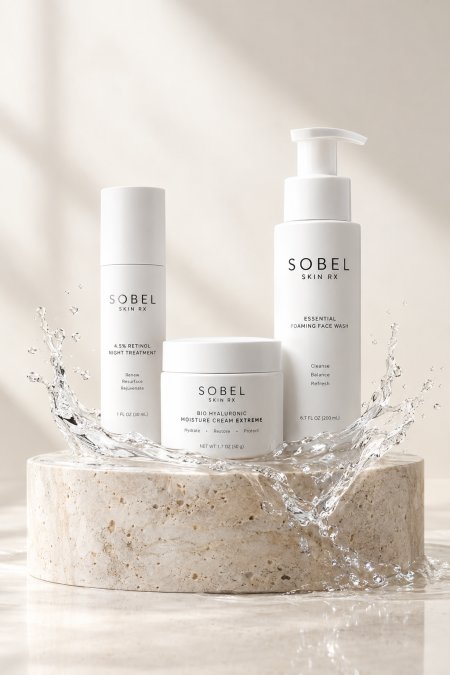
Finding a strong obagi alternative for uneven skin tone matters more now than it did a few years ago. Clinical systems built around hydroquinone have long set the standard for fading dark spots, melasma, and post-inflammatory hyperpigmentation.
That is where we come in. Below, we break down what clinical systems get right, where they fall short, and how to build a routine that fades discoloration without wrecking your skin barrier.
What Clinical Systems Get Right, and Where They Fall Short
Clinical-strength systems earn their reputation for one reason: they combine multiple actives that target melanin production at different stages.
The trade-offs are real, though. Hydroquinone requires cycling on and off, and some users develop irritation or rebound darkening with prolonged use. Prescription formulas also mean appointments, refills, and cost.
That gap is exactly what a dermatologist-developed, hydroquinone-free alternative can fill.
Quick Comparison: Dermatologist-Developed Options for Dark Spots
Here is how our four core products compare for anyone targeting uneven tone, dullness, and post-inflammatory marks.
| Product | Price | Key Active | Best For | Frequency |
|---|---|---|---|---|
| 30% Glycolic Acid Peel Concentrate | $60.00 | 30% glycolic acid | Sun damage, uneven skin, enlarged pores | 1-2x weekly |
| 4.5% Retinol Night Treatment | $120.00 | 4.5% retinol + SD-100 | Fine lines, texture, cell turnover | Nightly |
| 15% Niacinamide Gel Serum | $86.00 | 15% niacinamide | Oil control, pores, barrier support | Daily |
| 27% Glycolic Acid Facial Cleanser | $52.00 | 27% glycolic acid | Daily exfoliation, surface debris | Daily |
Each product targets a different part of the discoloration cycle. Used together, they cover exfoliation, renewal, and brightening in one routine.

Key Ingredients That Fade Hyperpigmentation and Melasma
Hyperpigmentation is not one problem. It is a chain of events: a trigger (UV, inflammation, hormones) activates the enzyme tyrosinase, melanocytes produce excess melanin, and that pigment gets transferred into surface skin cells, where it oxidizes and darkens. Melasma adds a vascular and hormonal component that makes it stubborn and prone to recurrence. An ingredient only "works" if it interrupts one of those steps, and the strongest routines hit several at once.
The ingredients that actually move the needle fall into clear mechanistic categories:
- Tyrosinase inhibitors slow pigment production at the source. Hydroquinone is the prescription benchmark; non-hydroquinone options include azelaic acid, kojic acid, tranexamic acid, and licorice root extract.
- Retinoids accelerate cell turnover so pigmented cells shed faster, while supporting collagen and smoothing texture. They do not stop melanin production, they speed up the exit of pigment already made.
- Niacinamide reduces the transfer of melanin from melanocytes to surface cells and reinforces the barrier, which matters because a compromised barrier worsens inflammation-driven pigmentation.
Ingredient Synergy: Why Pairing Actives Beats Stacking Singles
Most guides tell you to pick one hero ingredient. That advice misses how skin actually responds, and it is the single biggest reason at-home routines stall.
Consider how the mechanisms interact. Pair it with a glycolic acid cleanser and you get renewal plus exfoliation, which is why our 4.5% Retinol Night Treatment works best alongside the 27% Glycolic Acid Facial Cleanser.

A few pairings worth knowing:
- Vitamin C + ferulic acid: ferulic acid stabilizes L-ascorbic acid and extends its antioxidant activity, so the combination defends against UV-generated free radicals longer than vitamin C alone.
- Niacinamide + retinoid: niacinamide buffers the barrier disruption retinoids can cause, letting most people tolerate a higher retinol strength with less peeling.
- AHA + niacinamide: exfoliation removes pigmented surface cells; niacinamide then limits new melanin transfer. One clears, the other prevents.
What to avoid: stacking multiple strong acids in the same session, mixing a prescription retinoid with an at-home peel on the same night, and adding more than one new active per week.
30% Glycolic Acid Peel Concentrate →
If you want the shortcut, our four core products are already built around this synergy: the 27% Glycolic Acid Facial Cleanser and 30% Glycolic Acid Peel Concentrate handle exfoliation, the 4.5% Retinol Night Treatment drives renewal, and the 15% Niacinamide Gel Serum supports the barrier and limits melanin transfer. Together they cover the full pigment chain rather than one step of it.
How to Improve Skin Texture Naturally While Targeting Discoloration
Learning how to improve skin texture naturally starts with consistency, not intensity. Texture and tone are linked: rough, congested skin reflects light unevenly, which makes dark spots look worse. Smooth the surface and discoloration appears softer.
The practical steps:
- Exfoliate gently but regularly with an AHA cleanser.
- Use a retinoid at night to support dermal renewal and collagen.
- Apply a niacinamide serum daily to reinforce the barrier.
- Add a weekly peel for a deeper resurfacing boost.
- Protect everything with daily sun protection.
Best Skincare for Hyperpigmentation: A Product-by-Product Breakdown
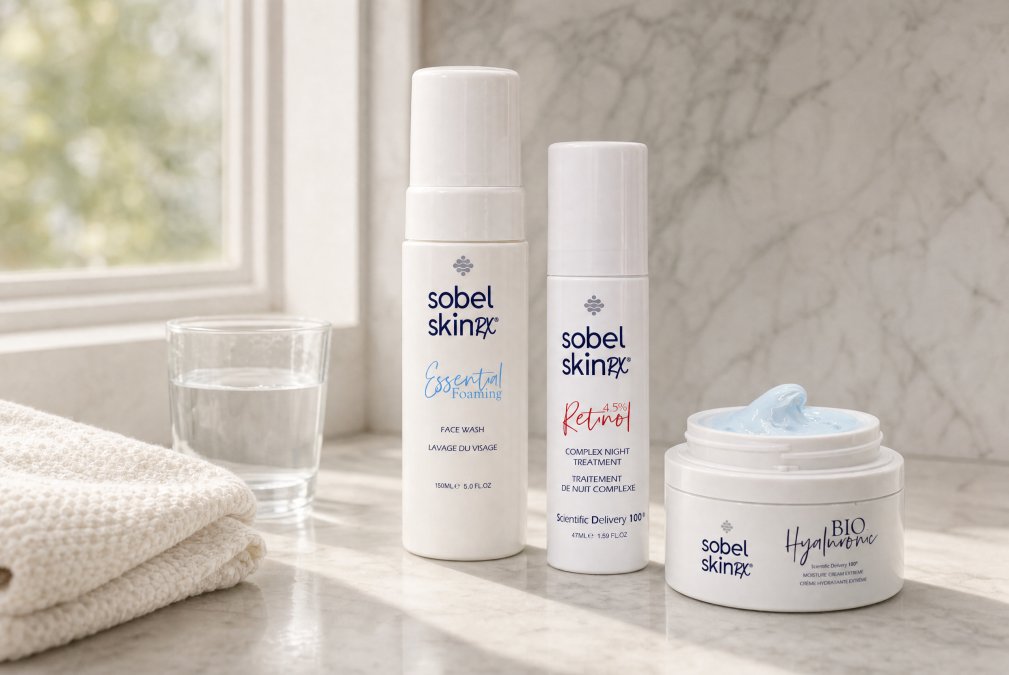
The best skincare for hyperpigmentation combines exfoliation, renewal, and barrier support in one routine. Below is how each of our products fits, and who it suits.
30% Glycolic Acid Peel Concentrate: In-Office Results Without Downtime
Our 30% Glycolic Acid Peel Concentrate delivers the benefits of an in-office peel without the downtime. It sloughs off dry, dull surface cells to reveal radiant, re-texturized skin, and visibly minimizes enlarged pores. Best for sun damage, uneven skin, and oily or acne-prone skin. $60.00.
4.5% Retinol Night Treatment: Clinical-Strength Renewal Without Irritation
Our 4.5% Retinol Night Treatment pairs pure retinol with patented SD-100 for time-released absorption and no irritation. It is clinically proven to decrease the length and depth of lines and wrinkles while improving texture and reducing the look of pores. $120.00.
15% Niacinamide Gel Serum and 27% Glycolic Acid Facial Cleanser: The Daily Support Pair
The 15% Niacinamide Gel Serum ($86.00) revitalizes and smooths skin while reinforcing collagen and reducing the look of enlarged pores. The 27% Glycolic Acid Facial Cleanser ($52.00) cleanses and exfoliates without stripping, removing surface oils and debris. Together they handle daily brightening and barrier support.
Transitioning Protocols: How to Switch Without Triggering a Flare
Switching from a prescription system to a non-hydroquinone routine needs a transition plan, not a cold swap. Rushing it is the fastest way to trigger irritation and a fresh round of post-inflammatory hyperpigmentation, the exact problem you were treating.
Why Rebound Happens
Hydroquinone suppresses melanin production, and when it is stopped abruptly, melanocytes can rebound with a surge of pigment. Add a new active too soon and you layer irritation on top of that rebound. The goal of a transition is to keep pigment suppressed while your barrier adapts to a gentler, hydroquinone-free routine.
A Four-Week Transition Protocol
This is a general framework.
Week 1, Settle. Stop the prescription active and let skin calm down.
Week 2, Introduce exfoliation. Begin the 27% Glycolic Acid Facial Cleanser every other day.
Week 3, Add barrier support. Layer in the 15% Niacinamide Gel Serum once daily.
30% Glycolic Acid Peel Concentrate →

Week 4, Bring in the retinoid. Start the 4.5% Retinol Night Treatment twice weekly, then build toward nightly over several weeks.
Branching by Skin Type
Not everyone needs the full routine at once, and the right entry point depends on your skin more than the brand name.
- Oily or acne-prone: lean on the glycolic cleanser and the peel. These clear pores and surface debris while fading marks, and the niacinamide serum helps control oil.
- Dry: prioritize the niacinamide serum and retinol, and keep exfoliation to once or twice weekly so you do not strip an already compromised barrier.
- Sensitive or reactive: start with the niacinamide serum alone for two weeks before adding anything else. Skip the peel until you have tolerated the cleanser and retinol for at least a month.
Budget-Tiered Entry Points
If you are testing the waters, start with the 27% Glycolic Acid Facial Cleanser at $52.00, the lowest entry point. Add the 15% Niacinamide Gel Serum at $86.00 next, then the 4.5% Retinol Night Treatment at $120.00, and finally the 30% Glycolic Acid Peel Concentrate at $60.00.
All our formulas are fragrance-free, non-comedogenic, and free from parabens, sulfates, and phthalates, which lowers the odds of a reaction during an already sensitive transition period.
Sun Protection and Maintenance: Keeping Results After the Fade
Every hour of unprotected sun exposure undoes weeks of fading. This is the part most people skip, and it's why discoloration keeps coming back.
Once your spots have faded, shift from treatment to a maintenance phase. Keep the niacinamide serum and cleanser in daily rotation, use the retinol a few nights a week, and reserve the peel for monthly touch-ups.
Conclusion
Fading uneven skin tone is a marathon, not a sprint, and the routine you can actually stick with beats the one you can't tolerate. Start with our 27% Glycolic Acid Facial Cleanser, add the 15% Niacinamide Gel Serum, and bring in the 4.5% Retinol Night Treatment as your skin adjusts.
Get started with Sobel Skin Rx and take 20% off your first order with code WELCOME26.
Frequently Asked Questions
What is the best product to even out uneven skin tone?
There is no single best product, but dermatologist-developed formulas with concentrated actives tend to deliver the most consistent results. A 15% niacinamide gel serum supports collagen production and helps reduce the look of enlarged pores, while a 4.5% retinol night treatment is clinically proven to decrease the length and depth of lines and wrinkles and improve skin texture. Pairing a brightening serum with a gentle exfoliating cleanser gives you the daily support uneven skin tone needs.
What can I use instead of Obagi?
Look for a dermatologist-developed line that uses the same active categories, such as niacinamide, glycolic acid, and retinol, without the hydroquinone dependency. A 30% glycolic acid peel concentrate sloughs off dull surface cells to reveal re-texturized skin, and a 27% glycolic acid facial cleanser exfoliates without stripping. Both are fragrance-free and non-comedogenic, which matters if your skin is sensitive or prone to post-inflammatory hyperpigmentation.
What are the most effective active ingredients for correcting uneven skin tone?
Niacinamide, vitamin C, alpha hydroxy acids, beta hydroxy acids, and retinoids are the most studied actives for uneven skin tone. Niacinamide helps reinforce collagen production, glycolic acid speeds cell turnover, and retinol supports dermal renewal. Pairing these ingredients rather than using one at a time addresses melanin production, dullness, and uneven texture at the same time. Always introduce one active at a time over two to three weeks to protect skin barrier health.
How long does it typically take to see results when switching skincare brands?
Most people notice improved texture and brightness within four to six weeks, with more visible fading of dark spots by eight to twelve weeks. Retinoids and glycolic acid work gradually by increasing cell turnover, so results build over time. Take a photo in the same lighting every two weeks to track progress objectively. If you see no change at all after twelve weeks of consistent use, adjust the actives or consult a board-certified dermatologist.
Can I achieve professional-grade skin brightening without using hydroquinone?
Yes. Hydroquinone-free options rely on ingredients like niacinamide, glycolic acid, and retinol to support melanin production balance and dermal renewal. A 15% niacinamide gel serum and a 4.5% retinol night treatment together target uneven tone and texture without the rebound pigmentation some people experience with hydroquinone. Add daily sun protection factor 30 or higher to prevent new discoloration from forming while you fade existing spots.

Comments (0)
Back to Beauty