
Table of Contents
- Understanding Clean Beauty and Aging Skin
- Best Ingredients for Mature Skin
- Retinol Alternatives for Aging Skin
- Building a Skincare Routine for Mature Skin
- How Long Does It Take to See Results from Anti-Aging Skincare
- What to Avoid: Common Misconceptions About Clean Anti-Aging Ingredients
- Frequently Asked Questions
Last Updated: October 12, 2026
Understanding Clean Beauty and Aging Skin
Clean beauty ingredients for aging skin represent a shift in how we approach mature skin care. At Sobel Skin Rx, we've built our entire line around this philosophy, combining dermatologist expertise with clean formulations that deliver measurable results.

The challenge many people face is separating marketing claims from actual efficacy. Not every "clean" product works for aging skin, and not every effective anti-aging ingredient requires synthetic complexity. The goal is finding concentrated active ingredients that have evidence behind them, delivered in formulations stable enough to perform.
Best Ingredients for Mature Skin
Mature skin responds best to ingredients that directly address the mechanisms of aging: collagen loss, cellular turnover slowdown, and oxidative stress. The most effective clean beauty ingredients for aging skin fall into several categories, each targeting a specific aging concern.
Retinoids and Vitamin A Derivatives
Retinoids are among the most evidence-supported anti-aging ingredients available. They work by increasing cell turnover, stimulating collagen production, and improving skin texture at the cellular level.
For clean beauty routines, retinol and retinaldehyde offer a middle ground, more effective than gentler derivatives, but less irritating than prescription options. The key consideration is concentration and formulation stability.
Sobel Skin Rx's 4.5% Retinol Night Treatment uses a patented delivery system designed to increase absorption while minimizing irritation. This concentration level is high enough to stimulate collagen and reduce fine lines without the redness or peeling many people associate with retinoids.
Vitamin C and Antioxidant Protection
Vitamin C serums brighten dull skin and provide antioxidant defense against free radicals that accelerate aging. Stabilized forms like L-ascorbic acid and its derivatives (sodium ascorbyl phosphate, magnesium ascorbyl phosphate) are more effective than unstable vitamin C powder.
The challenge with vitamin C is formulation, it degrades quickly when exposed to light and air, which is why many commercial serums underperform. Look for opaque packaging and use products within their shelf life.
Sobel Skin Rx's Cellular C+ STEM SERUM pairs a stable form of vitamin C with orange stem cells and hyaluronic acid. The combination addresses three aging concerns simultaneously: brightening uneven tone, supporting collagen production, and hydrating compromised skin barriers.

Hyaluronic Acid and Hydration
Hyaluronic acid is a humectant, it draws moisture from the environment into the skin. For mature skin, which often becomes drier as it ages, this ingredient is essential.
The catch is molecular weight. High-molecular-weight hyaluronic acid sits on the skin surface and provides temporary plumping. Low-molecular-weight versions penetrate deeper and provide longer-lasting hydration. The most effective formulations use multiple molecular weights.
Bio-derived hyaluronic acid, sourced from fermented plant materials, offers the same hydrating benefits as traditional hyaluronic acid but aligns with clean beauty principles.
Peptides and Collagen Support
Peptides are short chains of amino acids that signal your skin to produce more collagen. They're particularly effective for mature skin because collagen production naturally declines with age. Unlike topical collagen (which is too large to penetrate skin), peptides can actually influence your skin's structure.
Oligopeptides, smaller peptide chains, penetrate more effectively and work faster than larger peptide complexes. Studies on peptide-containing products show improvements in skin firmness and elasticity within 8-12 weeks of consistent use.
Sobel Skin Rx's Triple Oligo Peptide Eye Cream uses three specific oligopeptides to target the delicate eye area, where fine lines and loss of elasticity are most visible.
Niacinamide and Skin-Barrier Support
Niacinamide, also called vitamin B3, strengthens the skin barrier and reduces inflammation. For aging skin, especially skin that's become reactive or sensitized by years of harsh treatments, barrier support is crucial.
Niacinamide also regulates sebum production, making it suitable for combination skin, and it supports collagen synthesis. Higher concentrations (10-15%) deliver more visible results than lower doses. Niacinamide is exceptionally well-tolerated, making it a safe choice even for sensitive skin.
4.5% Retinol Night Treatment →
Sobel Skin Rx's 15% Niacinamide Gel Serum provides a potent dose designed to revitalize and firm skin while reinforcing collagen production. The gel texture makes it ideal for layering under moisturizers without adding heaviness.
Retinol Alternatives for Aging Skin
Not everyone tolerates retinoids well, especially those with sensitive skin or conditions like rosacea. Retinol alternatives provide anti-aging benefits through different mechanisms.
Bakuchiol is a plant-derived compound that mimics retinoid effects without the irritation. It increases cell turnover and supports collagen production, making it suitable for sensitive skin.
Peptides, as mentioned above, also function as a gentler alternative to retinoids. They work through collagen signaling rather than cell turnover acceleration, making them suitable for reactive skin.
For those seeking retinol alternatives, the approach often involves combining multiple gentler ingredients rather than relying on a single powerhouse ingredient.
Building a Skincare Routine for Mature Skin
A clean beauty skincare routine for mature skin follows a logical sequence: cleanse, treat with actives, hydrate, and protect. The order matters because it determines ingredient penetration and efficacy.
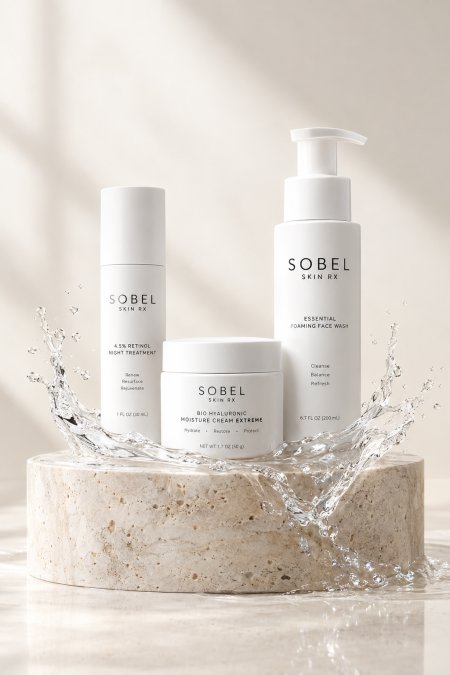
Step 1: Cleanse and Prepare
Start with a gentle cleanser that removes makeup and daily grime without stripping the skin barrier. Mature skin is often drier and more sensitive, so avoid harsh sulfates and fragrances. A creamy or oil-based cleanser works better than foaming formulas for aging skin.
After cleansing, apply a hydrating toner or essence. This preps the skin to receive active ingredients by increasing hydration and slightly lowering pH. Toners also remove any remaining impurities.
Step 2: Apply Active Ingredients
This is where retinoids, vitamin C, peptides, or niacinamide go. Apply actives to completely dry skin, damp skin reduces their effectiveness and can increase irritation. Wait 2-3 minutes after cleansing before applying actives.
Use the smallest effective amount. A pea-sized portion of serum is typically sufficient for the entire face. Pressing actives into skin (rather than rubbing) ensures even distribution and better absorption.
If using multiple actives, apply them in order of thinnest to thickest consistency. Serums go first, then creams. If combining retinoids with vitamin C, use them at different times, retinoids in evening routines, vitamin C in morning routines, to avoid potential interactions.
Step 3: Hydrate and Protect
Follow actives with a hydrating moisturizer. This locks in active ingredients and reinforces the skin barrier. For mature skin, a richer cream provides better results than lightweight lotions.
In the morning, finish with a broad-spectrum SPF 30 or higher. Sun protection is the single most important anti-aging step, UV exposure accelerates collagen breakdown and causes age spots and uneven tone. This step should never be skipped, even on cloudy days.
How Long Does It Take to See Results from Anti-Aging Skincare
Realistic timelines prevent frustration and help you evaluate whether a routine is actually working. Different ingredients show results at different speeds.
Hydrating ingredients like hyaluronic acid show immediate effects, skin looks plumper and feels smoother within hours.
Niacinamide and peptides typically show visible improvements within 4-6 weeks.
Retinoids and vitamin C require 8-12 weeks of consistent use before significant improvements in fine lines, wrinkles, and skin firmness become apparent.
4.5% Retinol Night Treatment →
Collagen production improvements, visible as improved elasticity and reduced sagging, typically require 12+ weeks of consistent retinoid or peptide use.
The most common mistake is abandoning a routine too early. Give active ingredients at least 8-12 weeks before deciding whether they're working.
What to Avoid: Common Misconceptions About Clean Anti-Aging Ingredients
The clean beauty space includes significant misinformation. Understanding what doesn't work, or what works differently than marketed, helps you build an effective routine.
Misconception 1: "Natural" automatically means safer or more effective. Plant-derived ingredients can irritate sensitive skin just as easily as synthetic ones.
Misconception 2: All retinol products are equally strong. Retinol concentration varies dramatically, from 0.1% to 5%+.
Misconception 3: More active ingredients mean better results. Layering multiple actives can reduce efficacy and increase irritation.
Misconception 4: Results are permanent. Anti-aging skincare requires ongoing use.
Misconception 5: You need prescription treatments for real results. High-concentration retinol, peptides, and vitamin C deliver measurable improvements comparable to professional treatments.
| Ingredient | Timeline to Results | Best for | Strength Level |
|---|---|---|---|
| Hyaluronic acid | Hours to days | Hydration, immediate plumping | Gentle |
| Niacinamide | 4-6 weeks | Texture, brightness, barrier support | Gentle |
| Peptides | 4-8 weeks | Firmness, collagen support | Gentle to moderate |
| Vitamin C | 6-12 weeks | Brightening, antioxidant protection | Moderate |
| Retinol | 8-12 weeks | Fine lines, wrinkles, texture | Moderate to strong |
Building an effective clean beauty routine for aging skin means prioritizing evidence-backed ingredients at meaningful concentrations, understanding realistic timelines, and maintaining consistency. Sobel Skin Rx's dermatologist-developed formulations address each of these concerns with non-toxic, clinically-supported ingredients.

Frequently Asked Questions
What ingredients are best for aging skin?
The most effective ingredients for aging skin include retinol (vitamin A) for stimulating collagen production, vitamin C for antioxidant protection and brightening, hyaluronic acid for deep hydration, peptides for supporting skin firmness, and niacinamide for strengthening the skin barrier. These clean beauty ingredients work by addressing multiple signs of aging, fine lines, loss of elasticity, dullness, and uneven texture, without harsh chemicals or irritants.
Is retinol considered a clean beauty ingredient?
Yes, retinol is a clean beauty ingredient when formulated properly. It's a naturally derived form of vitamin A that works at the cellular level to increase collagen and elastin production. Clean-formulated retinol products exclude parabens, fragrances, phthalates, and sulfates. Products like Sobel's 4.5% Retinol Night Treatment combine pure retinol with natural, soothing ingredients for effective anti-aging without irritation.
Can clean skincare ingredients improve the appearance of age spots?
Yes, several clean beauty ingredients help reduce the appearance of age spots and discoloration. Vitamin C is particularly effective at brightening and evening skin tone by neutralizing free radicals and supporting collagen production. Niacinamide also helps refine skin texture and reduce the look of dark spots. Consistent use of these antioxidant-rich ingredients, combined with sun protection, can visibly improve uneven tone over time.
How long does it take to see results from anti-aging skincare?
Most people begin noticing subtle improvements in skin texture and hydration within 2-4 weeks of consistent use. Fine lines and wrinkles typically show visible reduction after 6-8 weeks, though more dramatic results appear after 12 weeks of daily application. Results depend on ingredient concentration, your starting skin condition, consistency, and how your skin responds. Patience and adherence to a routine are essential for meaningful anti-aging outcomes.
What should I look for in clean anti-aging products for sensitive skin?
For sensitive skin, prioritize products that are fragrance-free, free from parabens and phthalates, and formulated with soothing, natural ingredients. Look for gentle actives like niacinamide and peptides before introducing stronger ingredients like retinol. Start with lower concentrations and introduce one new active at a time. Sobel Skin Rx products are dermatologist-developed specifically for sensitive skin concerns, combining clinical strength with non-irritating, clean formulations.
How do I know if a clean beauty product actually works for aging skin?
Look for products backed by clinical studies and dermatologist development. Check ingredient concentrations, higher percentages of actives like retinol, vitamin C, and peptides deliver stronger results. Read reviews from users with similar skin concerns. Dermatologist-developed brands like Sobel Skin Rx publish clinical data showing measurable improvements in line depth, skin texture, and firmness. Avoid products making vague claims without supporting evidence.
Can I use multiple active ingredients together in my anti-aging routine?
Yes, but introduce them gradually and strategically. Retinol works best at night; vitamin C and niacinamide pair well in morning routines. Peptides and hyaluronic acid complement most actives. Start with one active ingredient for 2-4 weeks, then add a second. Avoid combining strong actives like retinol and vitamin C in the same step initially. A layered routine, cleanser, active serum, hydrating cream, allows multiple ingredients to work synergistically without irritation.

Comments (0)
Back to Beauty