
Table of Contents
- How to Calm Red and Irritated Skin: A Gentle Daily Routine
- Common Skin Redness Triggers and How to Identify Yours
- Best Ingredients for Skin Redness: What to Look For
- How to Patch Test Skincare Products Safely
- What to Avoid: Harsh Exfoliants, Scrubs, and Irritating Products
- When Skin Redness Needs Medical Evaluation
- Conclusion: Building a Consistent Redness-Reduction Routine
- Frequently Asked Questions
Last Updated: October 12, 2026
How to Calm Red and Irritated Skin: A Gentle Daily Routine
Learning how to reduce skin redness without harsh chemicals starts with one principle: calm the skin instead of stripping it. At Sobel Skin Rx, we build routines around that idea because redness usually signals a stressed barrier, not dirt that needs scrubbing away. The plan below breaks the day into three blocks, morning, evening, and flare-up, so you always know the next right step. Total time is about five minutes a day.
Morning: Protect First
- Rinse with lukewarm water. If you cleansed thoroughly the night before, a plain water rinse is enough for many reactive skin types. Hot water strips the oils that keep skin calm and can leave redness worse than before you started.
- Apply a barrier moisturizer while skin is still damp. This locks in hydration and helps rebuild the barrier that keeps irritants out. Look for hyaluronic acid, ceramides, or soothing botanicals. A compromised barrier lets irritants through, which shows up as redness and stinging.
- Finish with broad-spectrum sunscreen, SPF 30 or higher. This is the most important anti-redness step. UV exposure triggers flushing and can make visible vessels worse over time. Mineral formulas with zinc oxide or titanium dioxide tend to suit reactive skin best. Reapply every two hours outdoors.
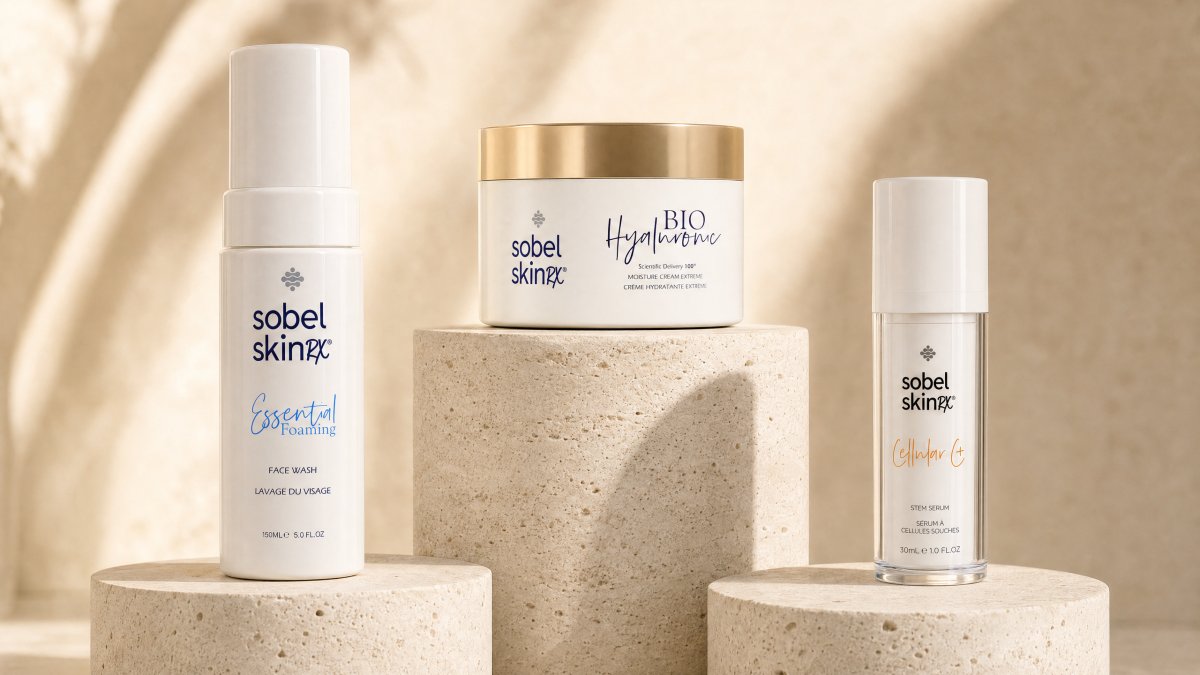
Our Bio Hyaluronic Moisture Cream Extreme pairs a marine-based bio-polymer with a bio-derived form of hyaluronic acid for intensive hydration. It is free from parabens, fragrances, phthalates, sulfates, and emulsifiers.

Evening: Cleanse and Repair
- Remove makeup and sunscreen with a gentle, fragrance-free cleanser. Massage with fingertips for about 30 seconds. Skip washcloths and brushes, since friction irritates sensitive skin.
- Rinse with lukewarm water and pat dry with a soft towel. Do not rub.
- Apply moisturizer within a minute of cleansing, while skin is still slightly damp. If your skin tolerates it, a thin layer of a ceramide-rich cream can help overnight barrier recovery.
- Stop there. Resist the urge to add toners, essences, or treatment pads at night. Each extra step is another chance for irritation.
Our Essential Foaming Face Wash is an airy daily cleanser that removes makeup while soothing antioxidants settle the skin. It is fragrance-free and made for redness-prone routines.

Flare-Up Plan: What to Do When Redness Spikes
When redness flares, simplify rather than add products.
- Drop to water rinsing only for 24 to 48 hours. Cleansers can wait.
- Use a single bland moisturizer, the one your skin already tolerates, and skip everything else.
- Cool the skin with a clean, cool compress for a few minutes at a time. Avoid ice directly on the face.
- Skip exfoliants, acids, retinoids, and vitamin C until redness settles.
- Note what changed in the 24 hours before the flare: new food, new product, weather, stress, or heat. That note feeds the trigger log below.
Product Order, Every Time
Thinnest to thickest: cleanser, then moisturizer, then sunscreen in the morning. If you ever add a soothing serum, it goes between cleanser and moisturizer. Do not layer multiple actives on reactive skin.
How Long Before You See a Difference
Barrier recovery is gradual. A common pattern is two to four weeks of consistent gentle care before redness noticeably calms, with continued improvement over two to three months. If nothing changes after a month of a simple routine, that is a signal to look at triggers or seek a professional opinion rather than adding more products.
Common Skin Redness Triggers and How to Identify Yours
Skin redness triggers are the everyday things that push your skin past its comfort zone. Common culprits include spicy foods, hot beverages, alcohol, heat, stress, and harsh products. But the same trigger does not affect everyone the same way, and the first step is figuring out which type of redness you are dealing with.
Redness by Cause: Four Patterns to Tell Apart
- Temporary flushing. Comes and goes within minutes to an hour, often after heat, exercise, spicy food, or alcohol. Skin returns to baseline on its own. Home care and trigger management usually help most.
- Sensitivity or irritation. Stinging, tightness, or redness after a specific product or weather exposure. Often improves within days once the irritant is removed.
- Rosacea-related redness. Persistent redness across the cheeks, nose, chin, or forehead, sometimes with bumps, pustules, or visible vessels. Triggers tend to be cumulative rather than one-off. This pattern benefits from professional evaluation.
- Other medical causes. Redness with swelling, pain, warmth, or a spreading rash is not a home-care problem. See a dermatologist.
Knowing which pattern fits you changes what to do next. A flushing pattern responds to trigger control; a rosacea pattern often needs a clinician's plan.
How to Identify Your Personal Triggers Systematically
Finding your triggers takes about two to four weeks of structured observation. A loose mental note is not enough, patterns hide in the details.
Keep a simple daily log. Record:
- What you ate and drank, with rough timing
- Products applied, including cleanser, moisturizer, and sunscreen
- Stress level on a 1-5 scale
- Weather, indoor heat, and time spent outdoors
- A same-time-of-day photo of your face
Change one variable at a time. If you suspect a food, remove it for three days, then reintroduce it and watch for 48 hours. If you suspect a product, stop it for a week before testing anything else. Changing several things at once makes the log useless.
Look for patterns, not single events. Most people find two or three repeat offenders rather than a long list. A trigger that shows up three times in two weeks is worth acting on; a one-time flush after a hot shower is not.
Patch test before you commit. Before adding any new product to your face, apply a pea-sized amount behind your ear or on your inner forearm, leave it uncovered for 24 hours, and check for redness, itching, or bumps. Repeat on the jawline for another day before full use. Some reactions only appear on a second exposure, so a single clean test is not always enough.
What to Do With What You Find
Cut your top two or three triggers first and hold the change for a month. If redness calms, you have your answer. If it does not, the pattern may point toward a condition like rosacea rather than a simple trigger, and that is the point to book a professional evaluation rather than keep experimenting.
Take 20% off your first order with code WELCOME26 when you are ready to build a gentler routine.
Best Ingredients for Skin Redness: What to Look For
The best ingredients for skin redness calm inflammation and support the barrier. Aloe, chamomile, and green tea extract are gentle starting points. Niacinamide helps strengthen the barrier and even out tone over time.
Antioxidants matter too. They help defend skin against daily stressors that drive flushing. Look for these names on labels:
- Aloe vera for immediate soothing
- Chamomile for calming irritation
- Green tea extract for antioxidant support
- Niacinamide for barrier strength and tone
- Hyaluronic acid for hydration without heaviness
Avoid formulas loaded with alcohol, synthetic fragrance, and essential oils. These are common hidden irritants for sensitive skin.
How to Patch Test Skincare Products Safely
Patch testing is the practice of trying a new product on a small area before using it on your face. It takes 24 to 48 hours and prevents most bad reactions.
Here is how we recommend doing it:
- Clean a small patch of skin behind your ear or on your inner forearm
- Apply a pea-sized amount and let it dry
- Leave it uncovered for 24 hours
- Check for redness, itching, or bumps
- If clear, repeat on your jawline for another day
- Only then introduce it into your full routine
Add one new product at a time. If you start three at once, you will never know which one caused a reaction.
What to Avoid: Harsh Exfoliants, Scrubs, and Irritating Products
Walk away from physical scrubs, gritty polishes, and strong acids if your skin flushes easily. These strip the barrier and can turn mild redness into a week-long flare.
Watch for these on labels:
- Walnut shell and sugar scrubs
- High-percentage glycolic or salicylic acids
- Denatured alcohol near the top of the list
- Synthetic fragrance and "parfum"
- Essential oils like citrus and peppermint
If you want exfoliation, use a soft washcloth once a week. That is enough for most sensitive skin.
When Skin Redness Needs Medical Evaluation
See a dermatologist if redness comes with swelling, pain, or warmth, or if it spreads quickly. Those signs point to something a gentle routine cannot fix on its own.
Book an appointment if you notice:
- Redness that never fades between flares
- Bumps, pustules, or a rash that spreads
- Visible broken vessels across the cheeks and nose
- Redness triggered by sunlight with no clear product cause
- Symptoms that keep getting worse despite a calm routine
A doctor can tell the difference between plain sensitivity and conditions like rosacea or eczema. That distinction changes what you should put on your skin. For general skin health guidance, the American Academy of Dermatology publishes patient resources worth reading.
Conclusion: Building a Consistent Redness-Reduction Routine
Redness relief comes from consistency, not intensity. A gentle cleanser, a barrier-supporting moisturizer, and daily sunscreen do more than any single "miracle" product.
At Sobel Skin Rx, our formulas are developed by board-certified dermatologist Dr. Howard Sobel, M.D., and built around concentrated actives without parabens, fragrances, phthalates, sulfates, or emulsifiers. Start with the Essential Foaming Face Wash and Bio Hyaluronic Moisture Cream Extreme to calm and hydrate sensitive skin.
Take 20% off your first order with code WELCOME26 and start building a routine your skin can actually tolerate.
Frequently Asked Questions
How long does it take for skin redness to calm down?
Most irritation-related redness improves within a few days to two weeks once you remove the trigger and switch to gentle products. Redness from a damaged skin barrier can take three to four weeks of consistent moisturizing and sun protection to settle. Flushing tied to spicy foods, alcohol, or hot beverages usually fades within 30 minutes to an hour. Persistent redness lasting more than a month, or redness that keeps returning without a clear trigger, warrants a dermatologist visit.
Can food or drink trigger facial redness?
Yes. Spicy foods, hot beverages, and alcohol are well-known flushing triggers because they widen blood vessels near the skin's surface. Some people also react to very hot soups or caffeinated drinks. Keep a simple log for two weeks noting what you ate or drank and when flushing started. If patterns emerge, try reducing that item for a week and see whether your skin redness eases. You do not need to eliminate everything at once.
How can I tell whether a skincare product is irritating my skin?
Signs include stinging, burning, itching, tightness, or redness that appears within minutes to hours of application and does not fade. Patch test any new product on your inner forearm for 48 hours before using it on your face. If you have already started using something and suspect irritation, stop it for one week. If your skin calms down, reintroduce it slowly to confirm the product was the cause.
When should I see a dermatologist about persistent redness?
Book an appointment if redness lasts more than four weeks, spreads, comes with bumps, pus, or swelling, or affects your eyes or breathing. Rosacea, eczema, and contact dermatitis all need a proper diagnosis, and prescription treatments often work faster than over-the-counter options. A dermatologist can also rule out conditions that mimic redness, such as lupus or seborrheic dermatitis. Do not wait if the redness is painful or getting worse.

Comments (0)
Back to Beauty