
Quick Summary
The choice between skinmedica vs skinceuticals depends on your skin type, active tolerance and main goal, not on brand alone. SkinCeuticals is typically associated with antioxidant-led formulas, while SkinMedica is associated with growth-factor serums. No head-to-head clinical study of the two lines was available, so match the product to your concern.
- Choose by concern: fine lines and firmness versus dullness and uneven tone.
- SkinCeuticals is commonly associated with antioxidant-led formulas and vitamin C.
- SkinMedica is commonly associated with growth-factor serums.
- Introduce one active at a time and allow two to three weeks to adapt.
- Use code WELCOME26 to get 20% off your first order.
Table of Contents
- SkinMedica vs SkinCeuticals: How the Two Brands Differ
- SkinMedica vs SkinCeuticals Retinol Comparison: Strength, Tolerability and Results
- SkinMedica vs SkinCeuticals Vitamin C Serum: Antioxidant Protection for Aging Skin
- SkinMedica HA5 vs SkinCeuticals HA Intensifier: Hydration and Skin Repair
- How to Build an Anti-Aging Skincare Routine That Fits Your Skin
- Evidence, Irritation Risk and Cost: What to Weigh Before You Buy
- Choosing Your Next Step for Aging Skin
- Frequently Asked Questions
Before choosing between SkinMedica and SkinCeuticals for aging, it helps to know what each brand is built around. Both are professional-grade lines, but they approach anti-aging differently, and the right pick depends on your skin type, your tolerance for active ingredients and what you want your routine to do. At Sobel Skin Rx, our team has put together this comparison to help you sort through the options. Skin aging is a complex biological process shaped by both internal and external factors, so no single product solves every concern (Review of skin anti-aging strategies).
Our recommendation is to match the product to the concern, not to the brand name. A head-to-head clinical study of these two specific lines was not part of the research available to us, so the points below focus on how their approaches differ and what to weigh when you choose.
SkinMedica vs SkinCeuticals: How the Two Brands Differ
Medical-dispensed skin care is a competitive category, and SkinCeuticals is among the brands that hold a significant share of provider sales in the United States (Kline Group, North America's Medical-Dispensed Skin Care Market 2026). Brand comparisons commonly draw a line between the two: SkinCeuticals is typically associated with antioxidant-led formulas, while SkinMedica is associated with growth-factor serums (Portrait Care, SkinMedica vs. SkinCeuticals: What to Stock in Your Clinic).
That split is a useful starting point, but it is a generalization about each brand's emphasis, not a verdict on performance. Neither brand's emphasis guarantees a result for you. If your main goals are firmness and fine lines, you will want to look at each line's actives. If your main concern is dullness and uneven tone, antioxidant support may matter more.
The two brands are built around different core emphases, as summarised below.
| Brand | Typical emphasis | What it means for you |
|---|---|---|
| SkinCeuticals | Antioxidant-led formulas | A common reference point for vitamin C products |
| SkinMedica | Growth-factor serums | Often overlooked in head-to-head comparisons |
| Both | Professional-grade lines | Choose by concern and skin tolerance, not brand |
SkinMedica vs SkinCeuticals Retinol Comparison: Strength, Tolerability and Results
Retinol is one of the most studied anti-aging ingredients, and it can cause dryness, flaking, or redness when you start using it. The strength of a retinol product and how well your skin tolerates it matter as much as the brand behind it. When you compare SkinMedica and SkinCeuticals retinol options, look past the brand name and examine three things: the retinol concentration, the delivery system, and the supporting ingredients that buffer irritation.
Neither brand publishes a head-to-head clinical trial against the other, so the practical difference comes down to how your skin responds to a given concentration and delivery format. People with sensitive skin may do better starting with a lower concentration and a buffer cream, while those with resilient skin and prior retinol experience can tolerate higher strengths.
If you are comparing retinol options, our 4.5% Retinol Night Treatment is worth a look. It pairs 4.5% retinol with replenishing moisture and our patented SD-100 delivery technology, which is designed to support absorption and minimize irritation. Start with a lower frequency, such as two or three nights a week, and build up as your skin adjusts. You can shop the 4.5% Retinol Night Treatment for $120.00.

Watch out: Do not layer a retinol with other strong exfoliating acids or a high-strength vitamin C serum in the same evening routine when you are first adjusting, because the combination can push irritation past the point where your skin can recover between applications. Introduce one active at a time and give your skin two to three weeks to adapt before adding another.
A practical way to compare the two brands is to ask what your skin has tolerated before. If you have never used a retinoid, start with the lowest available strength from either brand and judge tolerability over a full month. If you have used prescription retinoids, you may find that a mid-strength over-the-counter retinol from either line feels mild by comparison. Either way, the brand is less important than the concentration ladder you climb and the moisturizer you pair with it.
SkinMedica vs SkinCeuticals Vitamin C Serum: Antioxidant Protection for Aging Skin
Antioxidant serums are typically used in the morning to help protect skin from environmental stress and to support a more even-looking tone. SkinCeuticals is known for its antioxidant-focused range, which makes it a common reference point for vitamin C products in clinical settings (Portrait Care, SkinMedica vs. SkinCeuticals: What to Stock in Your Clinic). SkinMedica also offers vitamin C options, but the brand's broader identity leans toward growth factors and retinol, so its vitamin C products are often overlooked in head-to-head comparisons.
Neither approach is universally better; the right choice depends on whether your skin tolerates L-ascorbic acid and whether you prioritize proven antioxidant chemistry or a gentler daily formula.
For a daily antioxidant step, our 15% Niacinamide Gel Serum is designed to help revitalize and firm skin and reduce the look of enlarged pores by supporting collagen production. It is a lightweight gel that layers well under moisturizer and sunscreen. Daily sunscreen remains the most important step in any anti-aging routine, regardless of which serums you choose.
Watch out: Vitamin C serums degrade when exposed to light and air, so a bottle that has turned dark orange or brown may have lost much of its antioxidant activity. Store your serum in a cool, dark place and pay attention to the color and smell; if either changes noticeably, replace the product rather than continuing to use it.
When you compare vitamin C options from SkinMedica and SkinCeuticals, check the ingredient list for the form of vitamin C, the concentration, and whether the formula includes stabilizing antioxidants like ferulic acid or vitamin E. If your skin stings or turns red with L-ascorbic acid, a derivative-based formula from either brand may be a better fit. If you have tolerated L-ascorbic acid before, a stabilized serum from either line can serve as the antioxidant anchor of your morning routine. Use code WELCOME26 to get 20% off your first order.
SkinMedica HA5 vs SkinCeuticals HA Intensifier: Hydration and Skin Repair
Hydration is central to how aging skin looks and feels. Hyaluronic acid is widely used for hydration, but product formulas vary, so compare the full ingredient list and the supporting moisturizers rather than focusing on one ingredient alone.
Our Bio Hyaluronic Moisture Cream Extreme combines a marine-based bio-polymer and a bio-derived form of hyaluronic acid with our SD-100 concentrate. It delivers intensive hydration for dry or compromised skin. Pairing a hydrating cream with a targeted serum is a common way to cover several concerns without overloading one product.
How to Build an Anti-Aging Skincare Routine That Fits Your Skin
A consistent routine usually beats a long list of products. A simple approach is to cleanse, treat, moisturize and protect, with the treatment step chosen for your main concern.
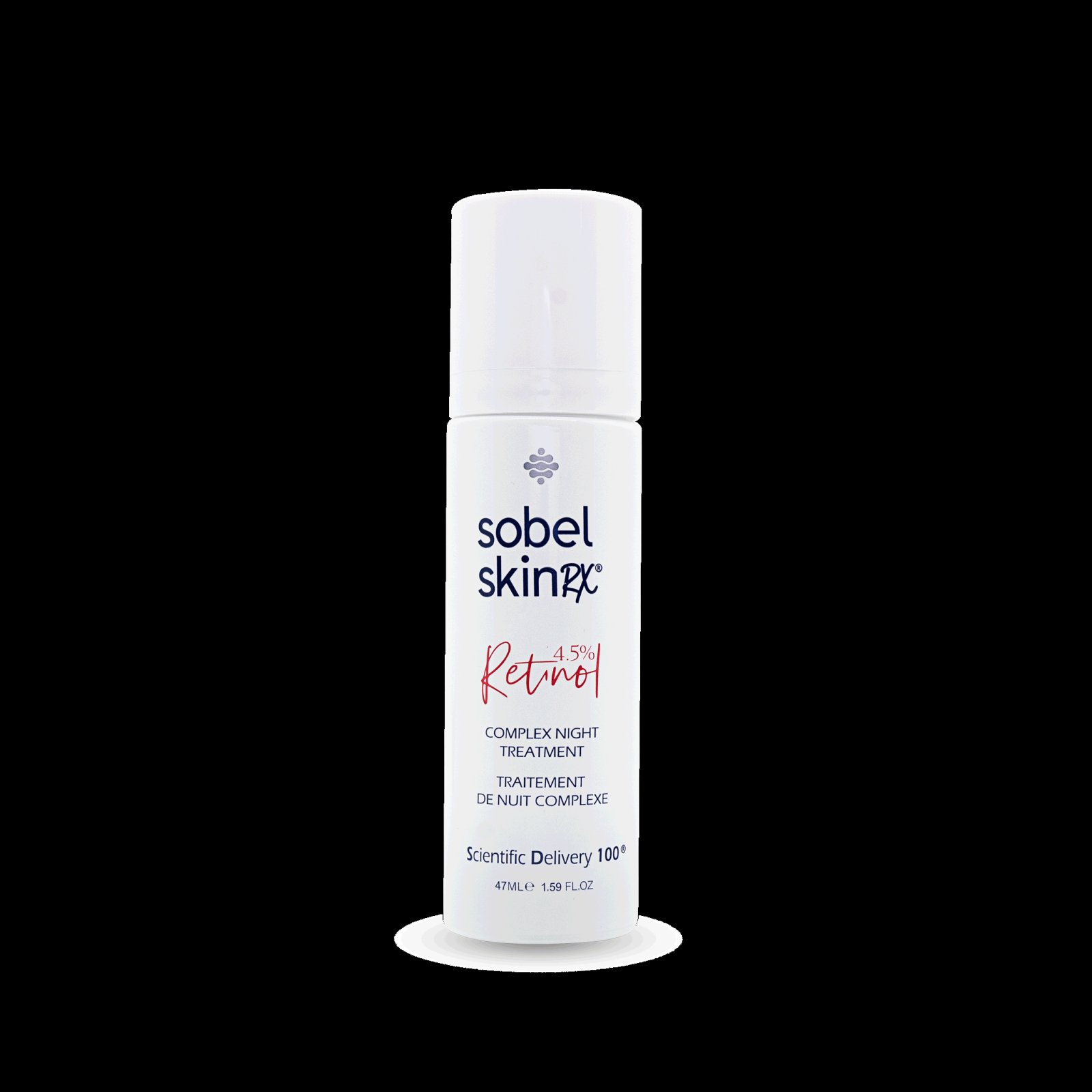
For evening treatment, our Nighttime Anti-Aging Protocol bundles a foaming face wash, a Triple Oligo Peptide Eye Cream and the 4.5% Retinol Night Treatment into one three-step routine. Bought together, the set costs $179.99. See the full Nighttime Anti-Aging Protocol.

Use code WELCOME26 to get 20% off your first order.
Evidence, Irritation Risk and Cost: What to Weigh Before You Buy
Evidence quality varies. Brand-level claims are not the same as independent head-to-head studies, and the research available for this comparison did not include an outcome study of SkinMedica against SkinCeuticals. Treat brand comparisons as a guide to emphasis, not proof of superiority.
Irritation is the most common reason people stop a routine. If you have sensitive skin or rosacea, introduce one active at a time, patch test first and check with a dermatologist before combining strong actives. Cost matters too: compare the price per use, not just the bottle price, and factor in how long a product lasts at your usage frequency.
Our own products are dermatologist-developed and free from parabens, fragrances, phthalates, sulfates and emulsifiers. The FDA notes that skin-care products marketed with anti-wrinkle or anti-aging claims face regulatory limits on drug claims, which is one more reason to rely on verifiable ingredient information (U.S. Food and Drug Administration, Wrinkle Treatments and Other Anti-aging Products).
Prices of Sobel Skin Rx aging products
Choosing Your Next Step for Aging Skin
If you are deciding between these two brands, start with your main concern. Choose an antioxidant-led approach if tone and daily protection come first, and a retinol-based routine if fine lines and firmness are the priority. If you are unsure, a dermatologist can help you match a product to your skin type.
We think the best next step is to start with one targeted product rather than a full overhaul. Explore our Nighttime Anti-Aging Protocol or read our guide on choosing a clinical retinol treatment to see which option fits your routine.
Frequently Asked Questions
Is SkinMedica better than SkinCeuticals for aging?
Neither brand is better for every person. The better choice depends on which concern you are treating first. Sobel Skin Rx offers its own aging-focused options, including the 4.5% Retinol Night Treatment at $120.00 and the 15% Niacinamide Gel Serum at $86.00, which you can compare against either brand based on your skin type and budget. A dermatologist can help you judge which approach suits your skin.
Which brand has the better retinol products, SkinMedica or SkinCeuticals?
The research available does not include a head-to-head clinical comparison of SkinMedica and SkinCeuticals retinol products, so no brand can be declared the winner on efficacy alone. Strength, formulation and tolerability all matter, especially if your skin is sensitive. Sobel Skin Rx's 4.5% Retinol Night Treatment, priced at $120.00, is built around a patent-protected delivery system designed for time-released penetration. Starting with a lower-strength product and increasing gradually can reduce irritation for any retinol.
Can you use SkinMedica and SkinCeuticals products in the same routine?
Many people layer products from different brands, but combining actives such as vitamin C, retinol and strong exfoliants can increase irritation, especially on sensitive or rosacea-prone skin. Introduce one new product at a time and watch for redness or stinging over a few weeks. If you want a simpler routine, The Nighttime Anti-Aging Protocol from Sobel Skin Rx, priced at $179.99, combines a cleanser, eye cream and retinol treatment in one coordinated set.
How should you choose between SkinMedica and SkinCeuticals for your skin type?
Start with your main concern, such as fine lines, loss of firmness or dullness, and your tolerance for active ingredients. Oily or acne-prone skin may do better with lighter gel formulas, while dry skin often benefits from hydrating moisturizers with hyaluronic acid. The Bio Hyaluronic Moisture Cream Extreme from Sobel Skin Rx, at $110.00, is an example of a hydration-focused option. Patch testing and a dermatology consultation are reasonable steps before committing to any high-strength product.


Comments (0)
Back to Beauty