
Table of Contents
- Why Sensitive Skin Often Can't Handle Standard Obagi Routines
- Skincare for Sensitive Skin: What to Look For Instead
- Gentle Alternatives to Obagi Nu-Derm: Product-by-Product Matches
- Comparison Table: Obagi Alternatives for Sensitive Skin
- Skincare Ingredients for Rosacea-Prone Skin: What to Avoid and What Helps
- How to Do a Sensitive Skin Product Patch Test Before Switching
- A Safe Transition Plan: Switching from Obagi Without a Flare-Up
- Conclusion: Building a Sensitive-Skin Routine That Lasts
- Frequently Asked Questions
Last Updated: October 7, 2026
Why Sensitive Skin Often Can't Handle Standard Obagi Routines
Obagi alternatives for sensitive skin exist because the classic Nu-Derm system was never designed for reactive complexions. The original routine leans on hydroquinone, tretinoin, and higher-strength alpha hydroxy acids, a combination that can overwhelm a compromised skin barrier.
Sensitive skin is skin that reacts to products or environmental triggers with redness, stinging, burning, or itching more readily than the average complexion. That reactivity usually traces back to a weakened barrier and an overactive inflammatory response.
The Ingredients That Trigger Reactions
Four ingredient groups cause most Obagi-related irritation in reactive skin:
- Hydroquinone, a bleaching agent that can cause redness and contact dermatitis
- Tretinoin, a prescription retinoid that accelerates cell turnover and often triggers peeling
- Glycolic and lactic acids, which exfoliate aggressively at higher concentrations
- Fragrance and preservatives, common in older formulations
If your skin stung within the first week of a Nu-Derm routine, the actives were likely too strong for your barrier at that moment.
Skincare for Sensitive Skin: What to Look For Instead
Skincare for sensitive skin should prioritize barrier support and antioxidant defense over aggressive resurfacing. The goal is steady improvement, not a fast peel that leaves you red for a week.
Look for these markers on a label:
- Fragrance-free, not just "unscented"
- Non-comedogenic and free of drying alcohols
- Soothing agents such as aloe, green tea, and cucumber
- Gentler acids like polyhydroxy acids instead of high-dose glycolic acid
- Niacinamide and antioxidants to calm redness over time
A gentle formulation still delivers results. It simply does so without stripping the skin first.
Gentle Alternatives to Obagi Nu-Derm: Product-by-Product Matches
Gentle alternatives to Obagi Nu-Derm work by swapping harsh actives for barrier-friendly ones while keeping the same routine structure: cleanse, treat, moisturize, protect the eye area. The table below maps each step, then the notes explain the ingredient-level trade-off so you can judge whether a swap suits your skin.
| Original Step | Sensitive-Skin Swap | Price | Key Benefit |
|---|---|---|---|
| Nu-Derm cleanser | Essential Foaming Face Wash | $48.00 | Gently removes makeup, soothes with antioxidants |
| Hydroquinone treatment | Cellular C+ STEM SERUM | $110.00 | Brightens tone, fades dark spots gently |
| Nu-Derm moisturizer | Bio Hyaluronic Moisture Cream Extreme | $110.00 | Repairs barrier, deep hydration |
| Eye cream | Triple Oligo Peptide Eye Cream | $88.00 | Reduces puffiness, lines, dark circles |
Cleanser Swap: Essential Foaming Face Wash
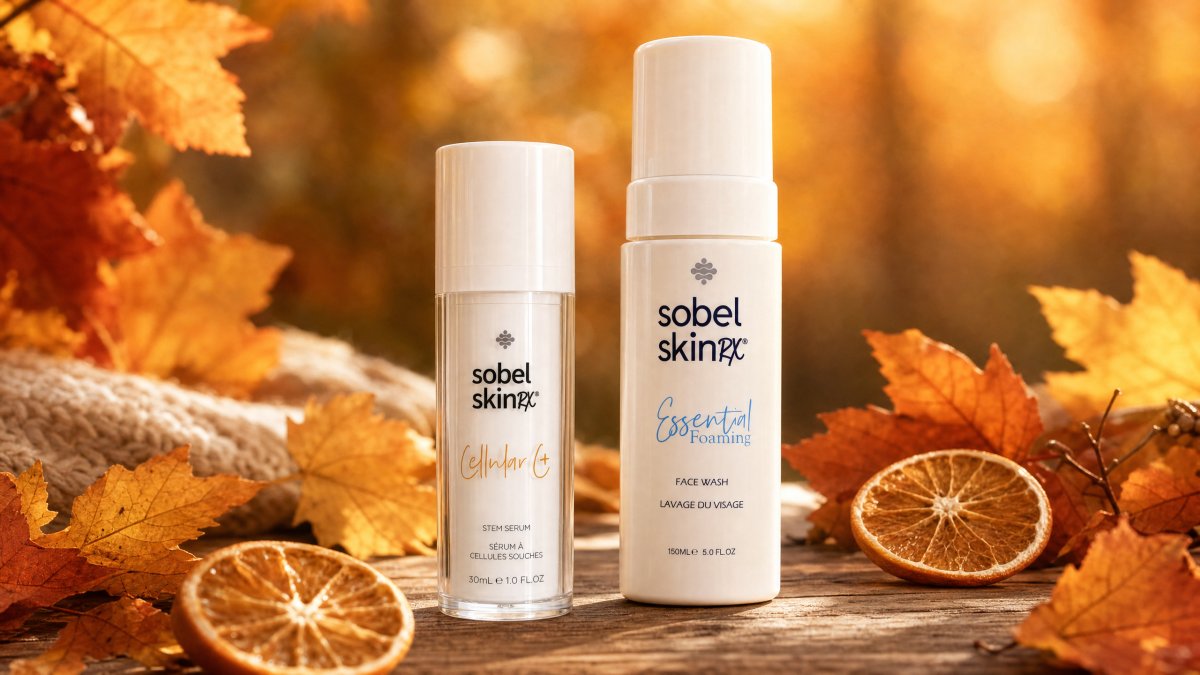
The Nu-Derm cleanser is a workhorse, but reactive skin often needs something softer. Our Essential Foaming Face Wash is an airy, foaming daily cleanser that nourishes skin with soothing antioxidants and gently removes makeup. It suits oily and acne-prone skin without leaving that tight, stripped feeling that signals a damaged barrier. At $48, it replaces the first step of your routine without adding irritation.

Ingredient trade-off: The original cleanser relies on surfactants that can strip lipids from a compromised barrier.
Treatment Swap: Cellular C+ STEM SERUM
Where Nu-Derm relies on hydroquinone for brightening, a vitamin C serum offers a gentler path to even tone. Our Cellular C+ STEM SERUM pairs a stable form of vitamin C with orange stem cells to brighten dull skin, reduce the look of dark spots, and support collagen production. It is water-light, absorbs quickly, and layers well under moisturizer.

Ingredient trade-off: Hydroquinone suppresses melanin production directly and can trigger contact dermatitis, redness, and rebound pigmentation in reactive skin.
Moisturizer Swap: Bio Hyaluronic Moisture Cream Extreme
Barrier repair is where sensitive routines live or die. Our Bio Hyaluronic Moisture Cream Extreme combines a marine-based bio-polymer and a bio-derived hyaluronic acid with our patent-pending SD-100 concentrate. It targets dryness and the appearance of fine lines while delivering intensive hydration to compromised skin. At $110, it is the anchor of a sensitive-skin routine.

Ingredient trade-off: The original moisturizer can contain fragrance and preservatives that provoke reactions in sensitive skin.
Eye Area Swap: Triple Oligo Peptide Eye Cream
The eye area is the thinnest skin on the face and the first to react. Our Triple Oligo Peptide Eye Cream uses three Oligo peptides to hydrate deeply and reduce the appearance of lines and wrinkles, while eyebright and cucumber help decrease puffiness and dark circles.
Ingredient trade-off: Retinoid eye products can cause peeling and dryness around the orbital bone, where skin is thinnest.
Every swap removes a known irritant and replaces it with a barrier-supporting formula. That is the whole logic of switching.
Comparison Table: Obagi Alternatives for Sensitive Skin
| Original Step | Sensitive-Skin Swap | Price | Key Benefit |
|---|---|---|---|
| Nu-Derm cleanser | Essential Foaming Face Wash | $48.00 | Gently removes makeup, soothes with antioxidants |
| Hydroquinone treatment | Cellular C+ STEM SERUM | $110.00 | Brightens tone, fades dark spots gently |
| Nu-Derm moisturizer | Bio Hyaluronic Moisture Cream Extreme | $110.00 | Repairs barrier, deep hydration |
| Eye cream | Triple Oligo Peptide Eye Cream | $88.00 | Reduces puffiness, lines, dark circles |
Every swap removes a known irritant and replaces it with a barrier-supporting formula. That is the whole logic of switching.
Skincare Ingredients for Rosacea-Prone Skin: What to Avoid and What Helps
Skincare ingredients for rosacea-prone skin fall into two camps: the ones that calm flushing and the ones that make it worse. Rosacea-prone skin has a heightened inflammatory response, so the wrong active can trigger a flare within hours. The difference from general sensitive skin is that rosacea involves visible blood vessels and a tendency toward persistent redness, so ingredients that merely sting are less concerning than those that dilate vessels or drive inflammation.
What to Avoid and Why
- Alcohol denat and astringent toners, they strip the barrier and can worsen the flushing response by leaving skin more reactive to triggers.
- Physical scrubs and rough exfoliating tools, friction dilates surface vessels and can turn a calm day into a flare.
- High-percentage glycolic acid and strong retinoids, rapid exfoliation and turnover increase blood flow and irritation, which rosacea-prone skin reads as inflammation.
- Fragrance and essential oils in leave-on products, common contact irritants that can trigger both stinging and visible redness.
- Hot water and steam, not an ingredient, but the most common physical trigger; lukewarm water protects the barrier.
What Helps and Why
- Niacinamide, supports the barrier and has been shown to reduce redness and flushing over time.
- Green tea and antioxidants, calm reactive skin by neutralizing free radicals that drive inflammation.
- Hyaluronic acid, hydrates without heaviness, so it does not occlude skin that is already prone to heat.
- Gentle exfoliators based on polyhydroxy acids, larger molecules than alpha hydroxy acids, so they exfoliate more slowly and with less sting.
- Azelaic acid, a well-known option for rosacea-prone skin that helps with both redness and bumps; introduce it slowly.
How This Differs from General Sensitive Skin
General sensitive skin reacts mainly to irritants and barrier damage. Rosacea-prone skin also reacts to temperature, stress, and spicy food, and it can flush from ingredients that do not sting at all. That is why a product can pass a patch test and still cause a flare, the trigger may be vascular rather than contact-based. If you have been diagnosed with rosacea, treat any new active as a trial, not a certainty.
How to Do a Sensitive Skin Product Patch Test Before Switching
A sensitive skin product patch test takes three to five days and prevents most reactions. Apply a small amount of the new product to clean skin and wait before committing it to your full routine.
Here is the routine we recommend:
- Clean a small patch on your inner forearm or behind your ear.
- Apply a pea-sized amount of the new product.
- Wait 24 hours and check for redness, itching, or swelling.
- Repeat for three consecutive nights.
- If the patch stays calm, introduce the product to your face one step at a time.
Introduce one new product every five to seven days. If you add four products at once and react, you will not know which one caused it.
A Safe Transition Plan: Switching from Obagi Without a Flare-Up
A safe transition from Obagi happens gradually, not overnight. Stopping harsh actives abruptly and starting new ones the next day is the fastest route to a flare.
Follow this sequence:
- Weeks 1-2: Drop the strongest active (usually tretinoin or hydroquinone) and keep your gentle cleanser and moisturizer.
- Weeks 3-4: Introduce the Essential Foaming Face Wash and Bio Hyaluronic Moisture Cream Extreme.
- Weeks 5-6: Add the Cellular C+ STEM SERUM in the morning.
- Weeks 7-8: Add the Triple Oligo Peptide Eye Cream and reassess.
Expect your skin to look calmer within two weeks and to show tone and texture improvements over the following month. Slow transitions protect the barrier while you swap products.
Conclusion: Building a Sensitive-Skin Routine That Lasts
The hardest part of leaving a harsh routine behind is trusting that gentler products still work. They do, provided the formulas carry real actives in a barrier-friendly base.
That is exactly what we build at Sobel Skin Rx. Every formula is developed by board-certified dermatologist Dr. The Cellular C+ STEM SERUM brightens without bleaching agents, the Bio Hyaluronic Moisture Cream Extreme rebuilds hydration, and the full range stays cruelty-free.
Ready to make the switch? Take 20% off your first order with code WELCOME26 and start building a sensitive-skin routine that holds up.
Frequently Asked Questions
What can I use instead of Obagi if my skin is sensitive?
Look for fragrance-free, gentle formulations that support the skin barrier rather than stripping it. A routine built around a soothing cleanser, a stable vitamin C serum, a hyaluronic acid moisturizer, and a peptide eye cream covers the same goals as a standard Obagi regimen without the irritation risk. Sobel Skin Rx offers all four, each free from parabens, fragrances, phthalates, sulfates, and emulsifiers. Always patch test first and introduce one product at a time.
Which Obagi alternatives are suitable for sensitive skin?
The best Obagi alternatives for sensitive skin avoid high concentrations of glycolic acid, alpha hydroxy acids, and beta hydroxy acids in the first weeks of use. Instead, start with antioxidant serums, hyaluronic acid moisturizers, and gentle foaming cleansers. Products formulated for redness and irritation, like the Essential Foaming Face Wash, are a practical starting point. Check that the label says fragrance-free and that the ingredient list is short before committing.
How can I tell whether an active skincare ingredient may irritate sensitive skin?
Ingredients with smaller molecules and lower pH, such as glycolic acid and other alpha hydroxy acids, penetrate faster and are more likely to sting reactive skin. Polyhydroxy acids are larger and tend to be gentler. Niacinamide, green tea, and antioxidants are usually well tolerated. If a product lists fragrance, essential oils, or alcohol high on the ingredient list, treat it with caution. A sensitive skin product patch test on your inner forearm for 48 hours gives you a clear answer before you apply anything to your face.
How should I introduce a new skincare product if my skin is reactive?
Introduce one new product at a time, every 7 to 10 days, so you can identify what causes a reaction. Apply a small amount to your inner forearm first, wait 48 hours, then test behind your ear. If there is no redness or stinging, begin using it on your face every other day before moving to daily use. Keep the rest of your routine unchanged during this period. If irritation appears, stop the new product and return to your baseline routine until your skin calms.
Is it worth switching from Obagi to a gentler brand?
If you have sensitive skin, rosacea-prone skin, or you have experienced irritation from clinical-strength actives, a gentler routine is often more sustainable. The goal is consistent daily use, and a routine you can tolerate every day will outperform a stronger one you have to stop every few weeks. Gentle alternatives to Obagi Nu-Derm can still deliver hydration, antioxidant support, and improvements in skin tone and texture when used consistently.

Comments (0)
Back to Beauty