
Table of Contents
- Why the Order Matters: Understanding Serum Layering Basics
- What Order to Apply Skincare Products: Thinnest to Thickest
- How Many Serums Can I Layer at Once: Finding Your Balance
- How Long to Wait Between Skincare Layers: Absorption Timing
- Skincare Ingredients Not to Mix: Compatibility Guide
- Morning and Evening Serum Layering Routines
- Layering Serums for Your Skin Type and Concerns
- Common Mistakes to Avoid When Layering Serums
- Frequently Asked Questions
Last Updated: October 11, 2026
Why the Order Matters: Understanding Serum Layering Basics
The way you layer facial serums directly impacts how well they work. When products are layered correctly, active ingredients penetrate deeper and deliver better results. When they're applied in the wrong order, they can sit on top of each other without absorbing properly.
Each product has a specific job, and the order determines whether it can actually do that job.
Understanding how to layer facial serums for maximum results means understanding texture, viscosity, and what your skin needs at each step.
What Order to Apply Skincare Products: Thinnest to Thickest
The foundation of proper serum layering is simple: start light, end heavy. Water-based serums go first. Oil-based serums and treatments come last. This sequence ensures every product absorbs instead of sitting on your skin's surface.
Starting with Cleansing and Toner
Begin with a gentle cleanser to remove dirt, oil, and makeup. Pat skin dry but not completely, damp skin helps products absorb better. Apply toner next to balance pH and remove impurities.
Applying Water-Based Serums First
Water-based serums (hyaluronic acid, vitamin C, niacinamide) are your foundation layer. Apply a few drops and gently press into skin. Wait 30-60 seconds before the next product.
Following with Heavier Serums and Treatments
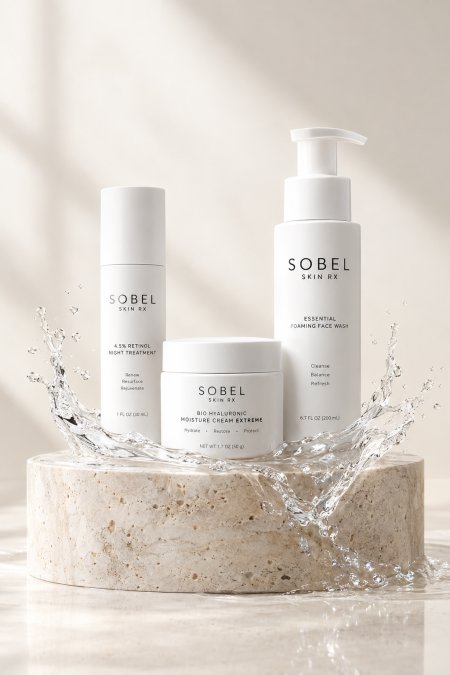
After water-based serums absorb, apply heavier treatments like oil-based serums or retinol. The 4.5% Retinol Night Treatment uses concentrated retinol with patented SD-100 for better absorption, apply a pea-sized amount at night only, as retinol increases sun sensitivity. Follow with moisturizer to seal in hydration.

How Many Serums Can I Layer at Once: Finding Your Balance
Most people do best with two to three serums maximum. Start with one and add another after two weeks. Sensitive skin tolerates fewer layers; oily skin can handle more. If your skin feels irritated or congested, you're using too many products.
How Long to Wait Between Skincare Layers: Absorption Timing
Patience matters when layering serums. Rushing the process means products don't absorb fully.
Damp Skin Application for Better Absorption
Apply serums to damp skin, moisture helps active ingredients penetrate deeper and acts as a delivery system.
Wait Times Between Active Ingredients
Wait 30-60 seconds between layers; for treatment serums like retinol, wait a full minute. Don't apply multiple strong actives at once, choose one or two per routine.
Skincare Ingredients Not to Mix: Compatibility Guide
Understanding ingredient interactions is essential to avoid irritation, reduced efficacy, and barrier damage. Some ingredients enhance each other, while others compete for absorption or create instability when layered together. The key is knowing why certain combinations are problematic and how to use them safely on different days or in different routines.
Retinoids and Exfoliating Actives
Never combine retinol with AHAs or BHAs in the same routine, both increase cell turnover and can damage the barrier. Use retinol at night 3-4 times weekly; reserve AHAs/BHAs for mornings or alternate nights. You can layer vitamin C (morning) and retinol (night) sequentially without issue.
Vitamin C and Niacinamide
Modern formulations allow vitamin C and niacinamide to layer safely. Apply vitamin C first, wait 1-2 minutes, then apply niacinamide.
Benzoyl Peroxide and Retinol
Benzoyl peroxide degrades retinol and increases irritation risk. Use benzoyl peroxide in the morning and retinol at night, spacing them at least 12 hours apart.
Vitamin C and Retinol (Sequential Use)
While vitamin C and retinol cannot be mixed in the same product, they work well in sequence across morning and evening routines. Vitamin C provides antioxidant protection and brightening during the day, while retinol drives collagen production and cell turnover at night. This combination is actually one of the most effective for anti-aging.
Application order: Morning: cleanser → toner → vitamin C serum → moisturizer → sunscreen. Evening: cleanser → toner → retinol treatment → moisturizer.
Niacinamide with Most Actives
Niacinamide is one of the most compatible actives available. It pairs well with vitamin C, retinol, hyaluronic acid, and peptides. Niacinamide actually supports skin barrier function, making it a stabilizing ingredient when layering multiple actives. You can confidently layer niacinamide with almost any other serum without concern.
Fragrance and Essential Oils
Avoid fragrance and essential oils, they irritate skin and interfere with active ingredients. Sobel Skin Rx products are fragrance-free to ensure maximum efficacy.
Layering Multiple Actives: The Decision Tree
To use multiple actives: (1) Choose one primary goal; (2) Add a complementary active that supports it; (3) Use stronger actives at night; (4) Space potent actives on different days for the first 4-6 weeks; (5) Monitor for irritation and simplify if needed.
Morning and Evening Serum Layering Routines
Your morning and evening routines have different goals. Morning routines focus on protection and hydration. Evening routines emphasize treatment and repair.
Building Your Morning Routine with Serums
Start with a gentle cleanser, then toner. Apply a hydrating serum with hyaluronic acid or vitamin B5. Follow with moisturizer and sunscreen, sunscreen is essential if using actives.
Evening Routine for Maximum Active Ingredient Benefits
Evening is when your skin repairs itself. Start with a gentle cleanser and toner. Layer treatment serums like the 4.5% Retinol Night Treatment. Follow with a rich moisturizer to seal in treatment and prevent moisture loss.
Layering Serums for Your Skin Type and Concerns
Your serum selection and layering strategy must align with your skin type and primary concerns. A routine that works for oily, acne-prone skin will overwhelm sensitive skin. A routine designed for dry skin may leave oily skin feeling congested. Below are evidence-based routines tailored to each skin type, with specific product amounts and sequencing.
Sensitive Skin and Rosacea-Prone Skin
Sensitive skin requires a minimalist approach. Start with one hydrating serum and add a second after 2-3 weeks. Use niacinamide, hyaluronic acid, or centella asiatica. Avoid fragrance, essential oils, high-concentration vitamin C, AHAs, BHAs, and benzoyl peroxide.
The 15% Niacinamide Gel Serum reduces redness and supports the barrier. For rosacea, niacinamide reduces flushing over 4-12 weeks. Avoid hot water, physical exfoliation, alcohol, and menthol.

Oily Skin and Acne-Prone Skin
Oily skin tolerates more serums. Use niacinamide (regulates sebum), salicylic acid (exfoliates pores), vitamin C (brightens marks), and hyaluronic acid (hydrates without heaviness). Avoid heavy oils, rich creams, and fragrance.
The 15% Niacinamide Gel Serum regulates sebum and tightens pores. Pair with a hydrating serum to prevent excess oil. Introduce actives one at a time, 2-3 times weekly initially.
Dry Skin and Fine Lines
Dry skin needs multiple hydrating layers and nourishing treatments. Use hyaluronic acid, vitamin C, retinol, and peptides. Avoid harsh actives, physical exfoliation, alcohol, and over-cleansing.
Morning routine for dry skin:
- Gentle cream or milk cleanser
- Hydrating toner or essence (1-2 pumps)
- Hyaluronic acid serum (3-4 drops on damp skin, wait 60 seconds)
- Vitamin C serum (2-3 drops, wait 60-90 seconds; vitamin C supports collagen and brightens dull skin)
- Rich moisturizer (pea-sized amount)
- Sunscreen SPF 30+ (1/4 teaspoon, use a hydrating or cream formula)
Evening routine for dry skin:
- Gentle cream or milk cleanser
- Hydrating toner or essence (1-2 pumps)
- Hyaluronic acid serum (3-4 drops on damp skin, wait 60 seconds)
- Retinol treatment (start with 2-3 drops, 2-3 times weekly; increase frequency after 4-6 weeks if tolerated)
- Rich moisturizer (pea-sized amount, apply while skin is still slightly damp to lock in hydration)
- Optional: face oil (2-3 drops, pat gently over moisturizer for extra nourishment)
The 4.5% Retinol Night Treatment is excellent for dry skin when paired with a rich moisturizer. Retinol boosts collagen production and reduces fine lines. Start with 2-3 drops twice weekly and gradually increase to 3-4 times weekly as your skin adapts.
Dry skin note: Apply serums and treatments to damp skin whenever possible. Damp skin absorbs hydrating ingredients more efficiently. After cleansing, pat skin until it's still slightly wet, then apply serums immediately.
Combination Skin
Combination skin (oily T-zone, dry cheeks) requires a balanced approach. You may use different products on different areas or choose versatile products that work across zones.
Morning routine for combination skin:
- Gentle cleanser (balancing formula)
- Hydrating toner (1-2 pumps)
- Niacinamide serum (2-3 drops; works for both oily and dry zones)
- Lightweight hydrating moisturizer (pea-sized amount)
- Sunscreen SPF 30+ (1/4 teaspoon)
Evening routine for combination skin:
- Gentle cleanser
- Hydrating toner (1-2 pumps)
- Hyaluronic acid serum on dry areas, niacinamide on oily areas (2-3 drops each, wait 60 seconds)
- Lightweight moisturizer (pea-sized amount on dry areas, less on T-zone)
- Optional: retinol 1-2 times weekly (start low concentration)
Combination skin note: Niacinamide is your best friend because it balances sebum production in oily zones while supporting hydration in dry zones. The 15% Niacinamide Gel Serum works across all zones without causing congestion or dryness.
Use code WELCOME26 for 20% off your first order and find the right serum routine for your skin type.
Common Mistakes to Avoid When Layering Serums
Most people make the same layering mistakes. Knowing what to avoid saves time and money.
Applying serums to completely dry skin. Dry skin creates a barrier that slows absorption.
Waiting too long between layers. You don't need to wait until your skin feels bone dry.
Using too many actives at once. Mixing retinol, vitamin C, AHAs, and niacinamide in one routine overwhelms your skin.
Applying products in the wrong order. Heavy products on top of light ones trap the light serums underneath.
Skipping the wait time for treatment serums. Retinol and other treatments need time to settle. Rushing this step reduces their effectiveness.
Not adjusting your routine for seasons. Winter requires more hydration. Summer allows lighter layers.
Getting the most from your serums comes down to understanding your skin and respecting the process. The Cellular C+ STEM SERUM brightens and protects, the 15% Niacinamide Gel Serum calms and firms, and the 4.5% Retinol Night Treatment reduces fine lines and improves texture.

Frequently Asked Questions
What is the correct order to layer facial serums?
Apply serums from thinnest to thickest texture. Start with water-based serums like hyaluronic acid, then move to gel serums, oil serums, and finally heavier treatments. Cleanse first, apply toner to damp skin, then layer your serums. Always apply sunscreen last in your morning routine. This order maximizes absorption and prevents pilling or product interference.
How many serums can I layer at once without irritating my skin?
Most skin types tolerate 2-3 serums safely. Start with one serum for 2-4 weeks, then introduce a second. If you have sensitive skin or rosacea, begin with just one gentle serum like a hydrating formula before adding active ingredients. Watch for signs of irritation such as redness or tightness. Quality matters more than quantity, concentrated formulas deliver results with fewer products.
How long should I wait between applying different skincare layers?
Wait 30-60 seconds between lightweight layers to allow absorption. For active ingredients like retinol or vitamin C, wait 2-3 minutes before applying the next product. On damp skin, products absorb faster and layer more smoothly. If a product feels tacky after one minute, it hasn't fully absorbed, wait longer before adding the next layer to prevent pilling.
Which skincare ingredients should not be mixed together?
Avoid mixing retinol with vitamin C, benzoyl peroxide, or AHAs in the same routine, use retinol at night and vitamin C in the morning. Retinol and physical exfoliants together increase irritation risk. When in doubt, use actives on alternate nights or at different times of day to minimize sensitivity.

Comments (0)
Back to Beauty